Hempcrete
Hempcrete is a building material made from the woody core of the hemp plant mixed with a lime-based binder. It is used in construction as a sustainable alternative to traditional materials like concrete and wood. Some of the benefits of using hempcrete in construction include:
- It is a highly sustainable material. Hemp is a fast-growing plant that can be harvested multiple times per year, making it a renewable resource. In contrast, concrete production is a major contributor to greenhouse gas emissions.
- Hempcrete is an insulating material, so it can help regulate the temperature inside a home. This can reduce the need for heating and cooling, which can save energy and reduce utility bills.
- Hempcrete is resistant to pests, mold, and rot, so it can help to extend the lifespan of a building.
- Hempcrete is fire-resistant, which can provide an added level of safety in the event of a fire.
- Hempcrete is breathable, which means that it allows moisture to pass through it, reducing the risk of mold and rot. (it also does not decay due to moisture cycles)
- Using hempcrete in construction can help to reduce the amount of waste generated, as the whole plant can be used in the production of the material.
Hempcrete by itself is not considered a structural material, so it is typically used as a form of insulation in construction, rather than as a load-bearing material. This means that it is typically used in conjunction with other materials, such as timber or steel, to create the structural frame of the building.
Overall, constructing a building using hempcrete is similar to using other insulating materials, such as fiberglass or cellulose. The main difference is the use of the hemp plant as a sustainable and renewable source of material.
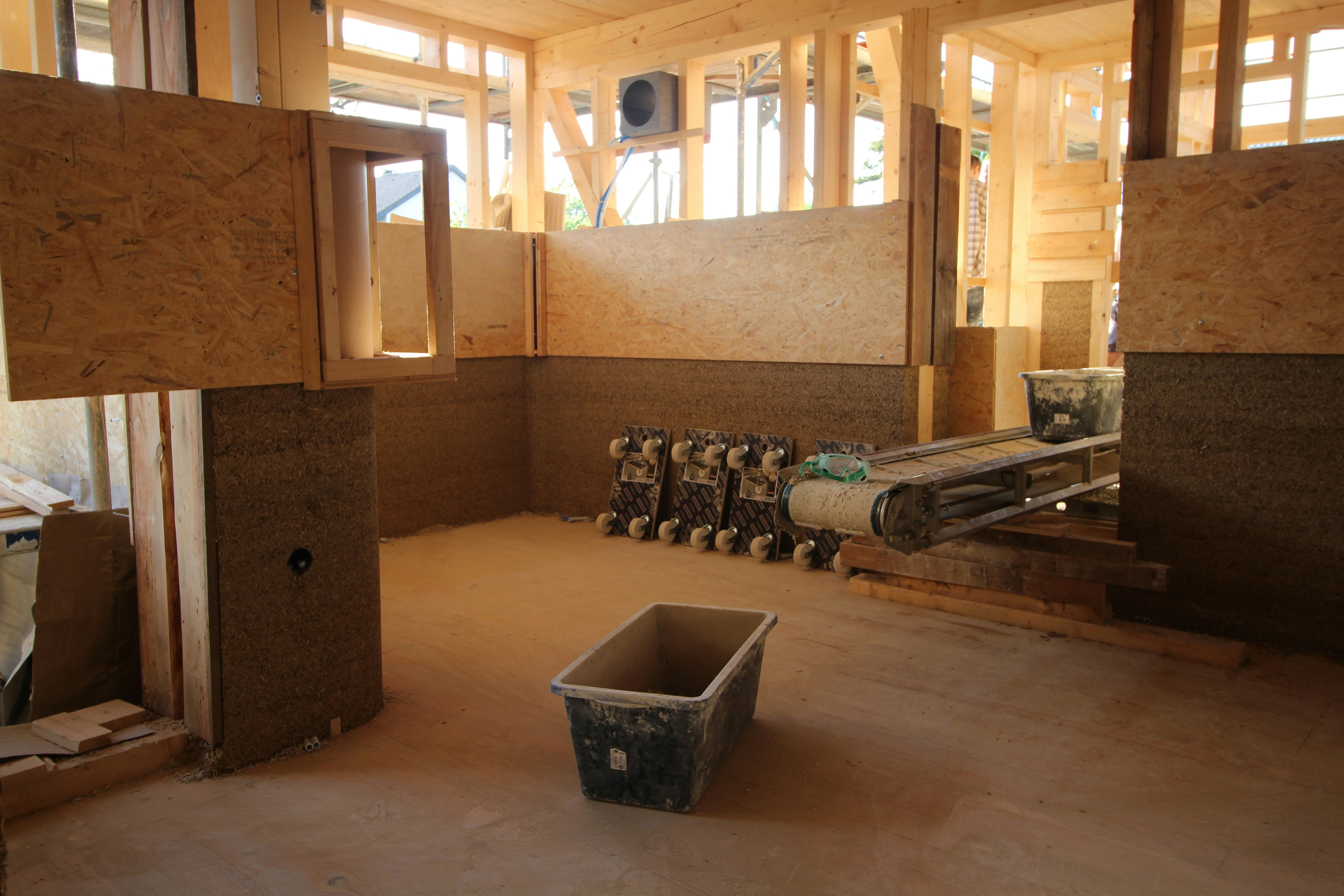
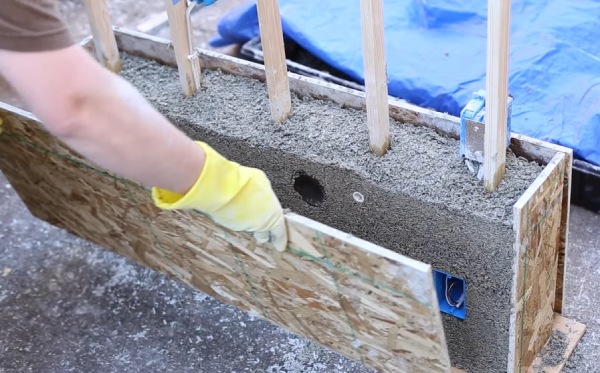
Cast-In-Place Hempcrete walls are typically constructed using a frame of timber, around which forms are erected and into which the hempcrete mixture is placed. The mixture is then shaped to form the walls of the building and left to cure for several weeks.
Once the hempcrete is cured, it can be finished with a variety of materials, such as plaster, timber, or brick, to create the desired look for the building.
In some cases, prefabricated panels of hempcrete, or blocks of hempcrete may be used instead of pouring the mixture onsite. These panels are made in a factory and can be transported to the construction site, where they are attached to the building's frame. This can help to reduce construction time and improve the overall efficiency of the building process.
Hempcrete is a natural insulating material that has been shown to have good insulation properties. The exact insulation values of hempcrete can vary depending on factors such as the density of the mixture and the climate in which it is used.
In general, hempcrete has been shown to have an insulation value of about 0.6 - 0.8 watts per meter per kelvin (W/mK). This means that it can help to reduce heat loss through the walls of a building, and can improve the overall energy efficiency of the building.
It is important to note that the insulation values of hempcrete can be improved by increasing the density of the mixture and by incorporating other materials, such as recycled newspapers or sheep's wool, into the mix. This can help to further increase the thermal performance of the material.
The lime binder in hempcrete gradually reacts with carbon dioxide in the air through a process called carbonation, turning into a stone-like material (calcium carbonate). This same chemistry is why lime-based materials have survived for centuries in structures dating back to the Roman Empire.
The cost of hempcrete can vary depending on factors such as the location, the size of the project, and the specific materials and techniques used. In general, however, hempcrete is typically more expensive than traditional building materials such as concrete or wood.
The higher cost of hempcrete is mainly due to the fact that the material is still relatively new and not widely used, so it is not yet produced on a large scale. This can make it more expensive to source and transport the materials needed for a hempcrete project.
Additionally, the construction techniques used for hempcrete are typically more labor-intensive than those used for traditional materials, which can also add to the cost.
But we here at ACVN Architects think that hempcrete is an indelible building material for the future. As the hemp industry grows around the US, the price of processed herd will lower, hempcrete will begin to catch on. One of the most wonderful things about the material is that since it's natural and non-toxic, the only time installers need PPE is when they're mixing it, and that's just to prevent accidental inhalation of the lime dust when adding it to the mixer.
It's an all-natural, carbon-negative, thermally massive, fire resistant, breathable, pest & rot resistance material that is long-lasting and is made from a completely sustainable resource. What's not to love!